A pure MBBR has no return sludge, but the effluent still carries suspended solids — sloughed biofilm fragments and influent solids that were not intercepted upstream. A downstream solids-separation step is therefore almost always needed. The traditional option is a gravity secondary clarifier, though DAF and filtration are alternatives depending on the application.
Settling behaviour of MBBR solids
Biofilm-origin solids from an MBBR are different from activated-sludge flocs. They tend to be smaller, more irregular and sometimes lighter, which can make gravity settling less efficient than for conventional activated sludge. The solids characteristics depend on the loading, the carrier type and whether the MBBR is a high-load carbon stage (denser, faster-settling solids) or a low-load nitrification stage (lighter, slower-settling solids).
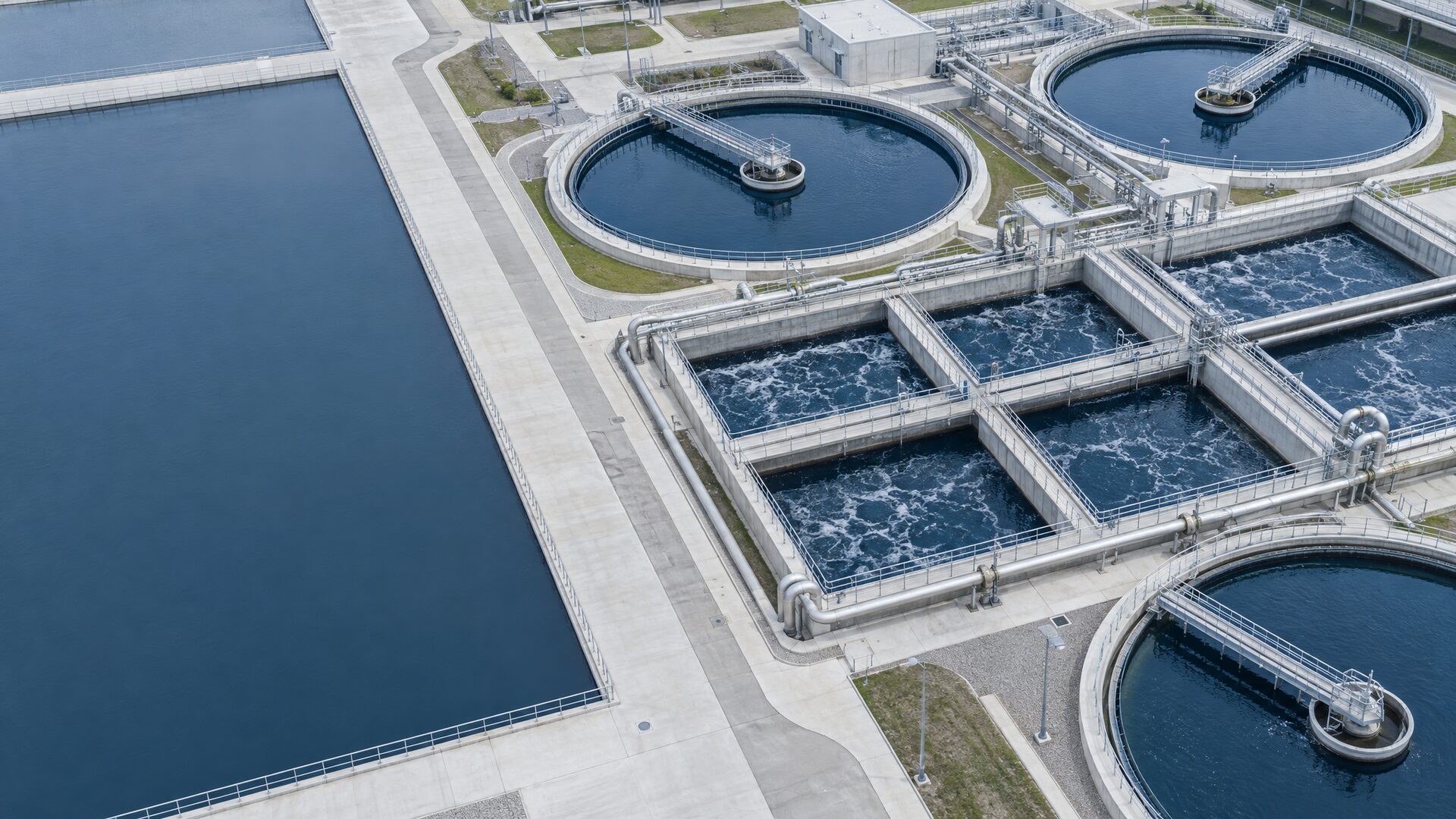
For this reason, the secondary clarifier for an MBBR may need a lower surface loading rate (i.e. larger area) than one designed for conventional activated sludge. Chemical addition (coagulant/polymer) can improve settling where gravity alone is insufficient. In some projects, DAF or disc/drum filters replace the clarifier entirely.
Compact alternative: lamella / plate settlers
Where site footprint is limited, an inclined-plate (lamella) settler can replace a conventional circular clarifier. By stacking many inclined settling surfaces, a plate settler provides a large effective settling area in a compact tank — often a good match for the footprint-conscious philosophy behind MBBR retrofits. Our sister site plate-settler.com covers lamella/plate settler technology in depth, including how inclined-plate separation is applied to biological and industrial solids.
Design considerations
Secondary clarification after MBBR (indicative — confirm per project)
| Parameter | Typical Value | Unit | Notes |
|---|---|---|---|
| Solids type | Biofilm fragments | — | Smaller and lighter than AS flocs. |
| Surface loading | May need to be lower | m³/m²·h | Compared to AS clarifiers. |
| Chemistry | Coagulant/polymer option | — | Improves settling if needed. |
| Alternatives | DAF, disc/drum filter | — | For compact or stringent applications. |
Frequently Asked Questions
Does a pure MBBR need a secondary clarifier?
Why are MBBR solids harder to settle?
Is return sludge needed from the clarifier?
Related Pages
Need MBBR Design Support?
Submit your wastewater data for a preliminary MBBR engineering assessment. Our team reviews every submission within 2 business days.